
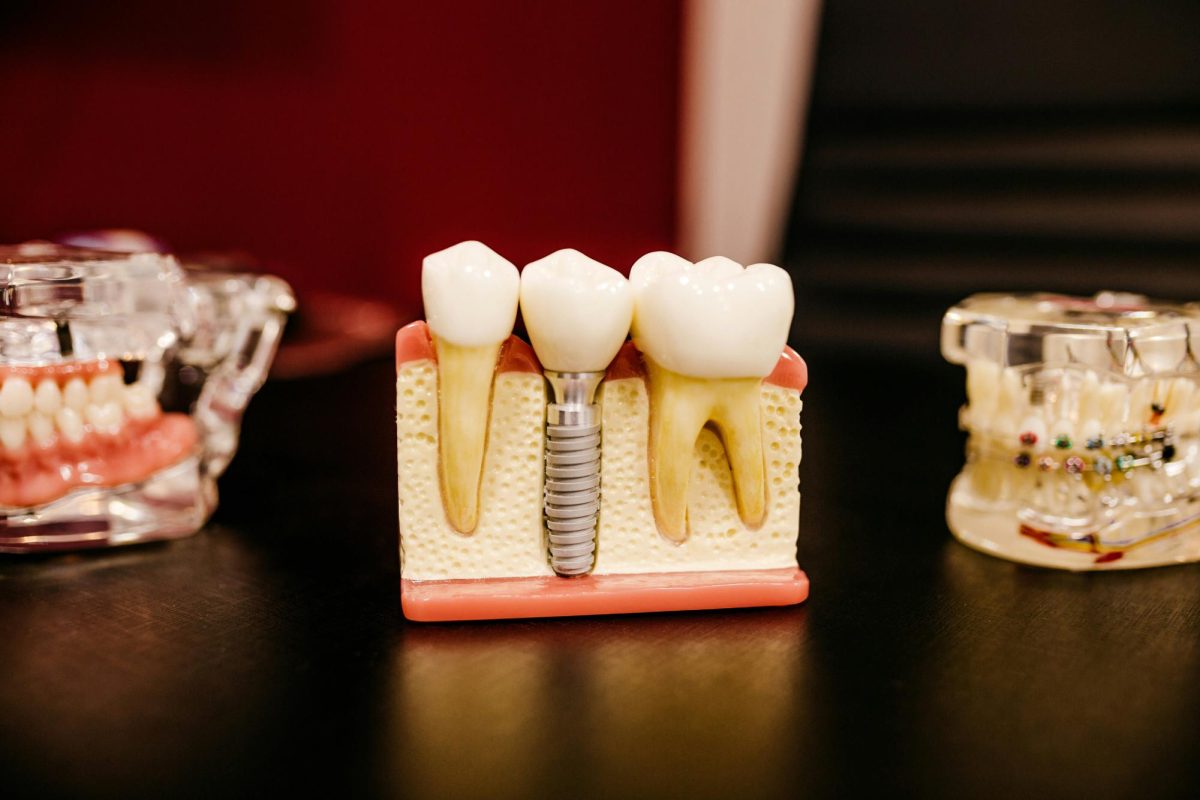
The dental industry has been around for a very long time and has changed a lot over the years. Today, going to the dentist usually means clean tools, pain relief, and trained professionals. However, dentistry did not always look like it does now. The history of dental care goes back thousands of years, and it shows how people have always tried to fix tooth pain and keep their mouths healthy.
Long ago, before modern medicine existed, people still had problems with their teeth. Archaeologists have found proof that prehistoric humans tried to treat tooth pain using sharp tools made of stone. In ancient times, many people believed that toothaches were caused by “tooth worms.” This idea came from ancient Sumerians around 5000 B.C. Even though this belief was incorrect, it showed that people were trying to understand why teeth decayed.
In ancient Egypt, dental care became more advanced. Egyptians cared about cleanliness and used early forms of toothpaste made from crushed minerals. Some Egyptian doctors specialized in dental problems, and they even recorded treatments for tooth pain and gum disease. The Greeks and Romans also helped move dentistry forward. Famous Greek doctors like Hippocrates wrote about teeth, gums, and tooth extraction. The Romans created dental tools and sometimes used medicine to reduce pain during dental work. Even though these methods were not perfect, they helped improve dental knowledge.
Dentistry did not become a real profession until much later. During the 1700s, a French dentist named Pierre Fauchard changed the dental world. In 1728, he wrote a book called The Surgeon Dentist, which explained how teeth work, how cavities form, and how to fix damaged teeth. Because of this book, Pierre Fauchard is known as the “Father of Modern Dentistry.”
The 1800s were very important for the dental industry. In 1840, the world’s first dental school, the Baltimore College of Dental Surgery, was opened in the United States. This allowed dentists to be properly trained and earn degrees. Around this time, new tools were invented, and anesthesia began to be used, making dental procedures less painful. In 1859, dentists formed the American Dental Association (ADA), which helped set rules and standards for dental care. As technology improved, dentistry continued to change. In the late 1800s and early 1900s, toothpaste began to be sold in tubes, making it easier for people to brush their teeth at home. Dentists also started using X-rays to see inside the mouth and find problems early. The discovery of fluoride helped prevent cavities and improved oral health for many communities as well. Today, the dental industry is very advanced. Dentists use digital tools, lasers, and strong materials to fix teeth and improve smiles. There are many dental specialties, such as orthodontics and oral surgery. Dentists now focus more on preventing problems instead of just fixing them. Regular checkups, cleanings, and good brushing habits help people keep their teeth healthy. Overall, the history of the dental industry shows how much progress has been made. What started as simple tools and guesses has turned into a science-based profession that helps millions of people every day.
Sources:
www.colgate.com/en-us/oral-health/dental-visits/the-history-of-dentistry
https://www.adea.org/godental/discover-dentistry/history-and-data/history-of-dentistry